Federal Criminal Defense
Representation in United States District Courts nationwide — from grand jury investigation through indictment, trial, sentencing, and appeal. Wherever the government brings charges, we are ready to fight.

Federal & State Trial Lawyers
Experienced. Relentless. Trusted.
A third-generation Criminal Defense firm — representing clients in Federal and State courts. United States District Courts throughout the Nation, State Courts throughout Texas and Alabama, and international matters.
 Mike DeGeurin — Michael DeGeurin — Dick DeGuerin
Foreman DeGeurin & DeGeurin is a third-generation criminal defense firm. The DeGeurin family has been fighting for clients in Texas courtrooms and federal courts across the nation for decades — and that lineage shapes everything about how this firm practices law.
Our practice is centered on Federal and State criminal defense. Attorney George "Michael" DeGeurin Jr. has built his reputation upon being a lawyer’s lawyer. Being a successful trial lawyer comes from understanding the system from the ground up. Experience comes from the work, success from the work and the understanding.
We represent clients in United States District Courts throughout the Nation, State Courts throughout Texas and Alabama, and international matters. Every case — whether a misdemeanor, felony, capital or a complex multi-district federal conspiracy — receives the same uncompromising commitment. There are no unimportant cases.
Begin Your Defense
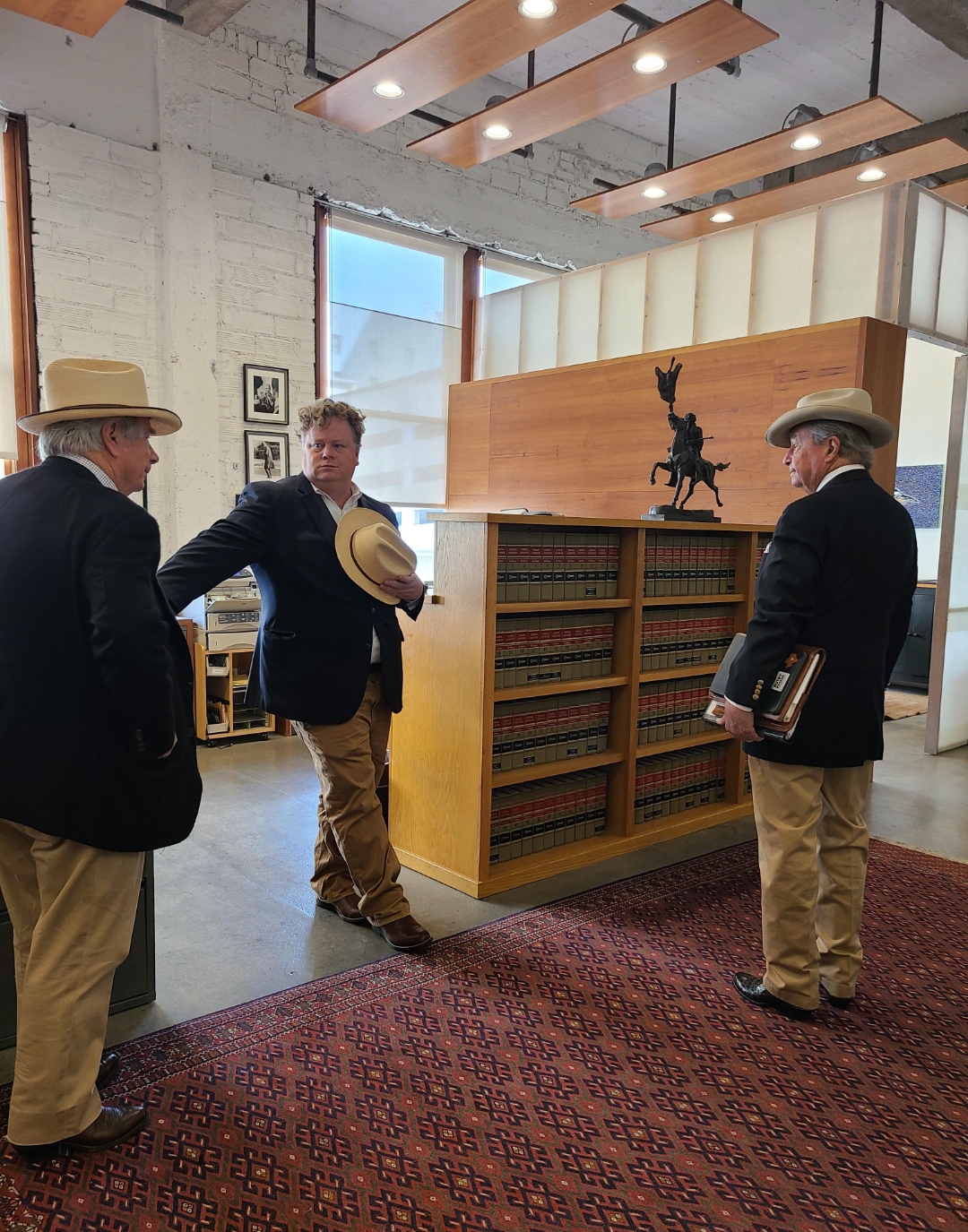
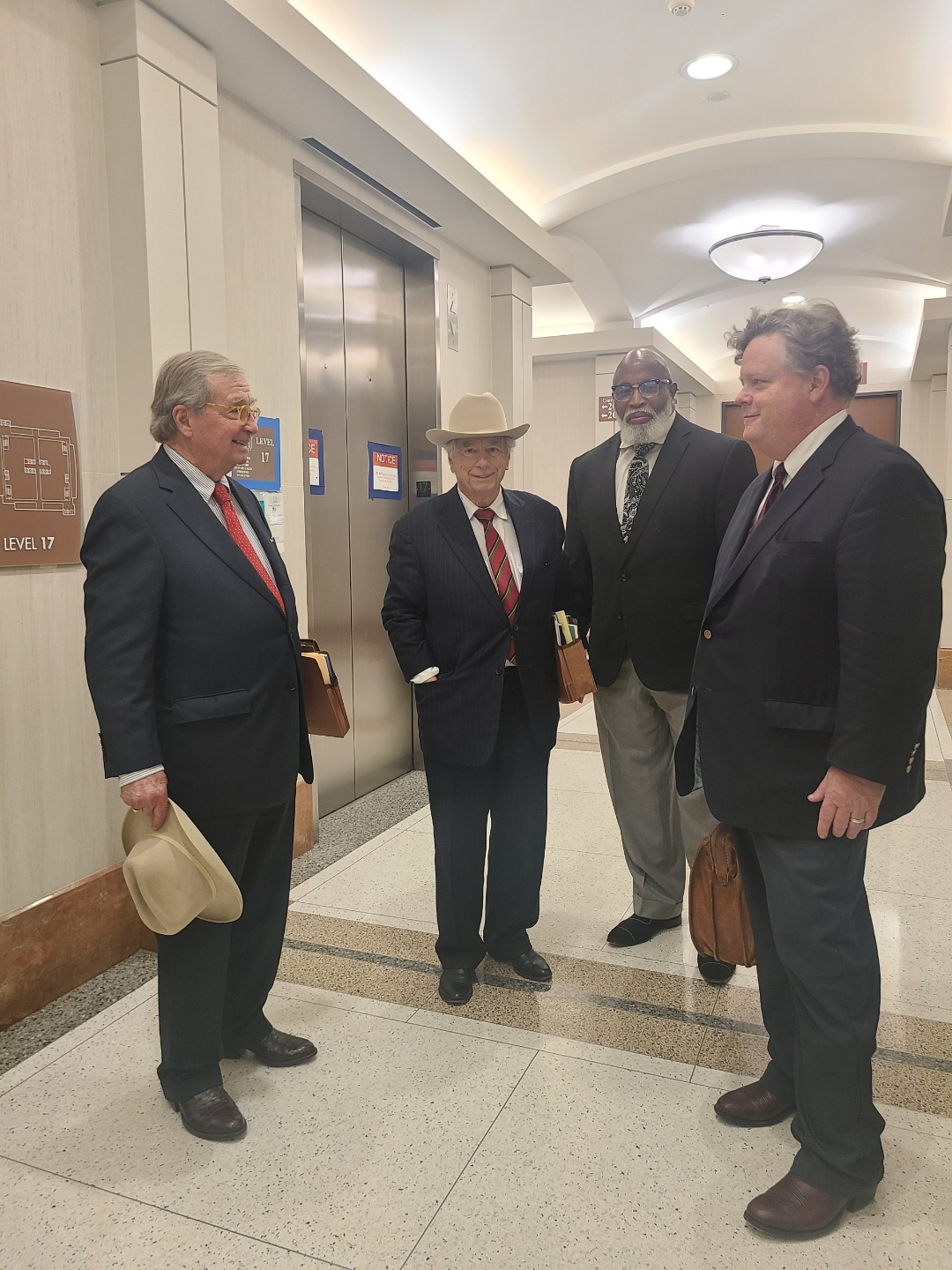
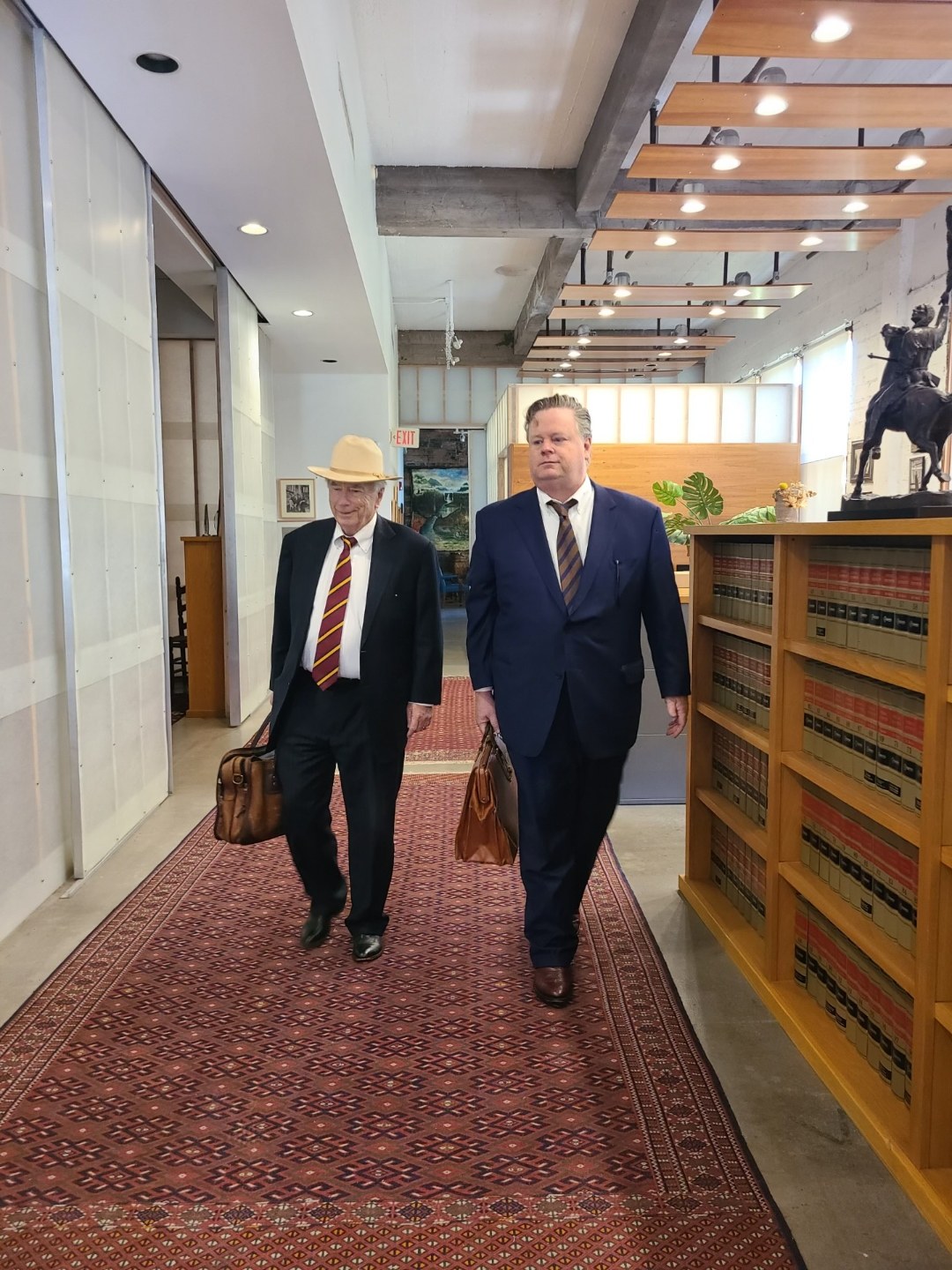
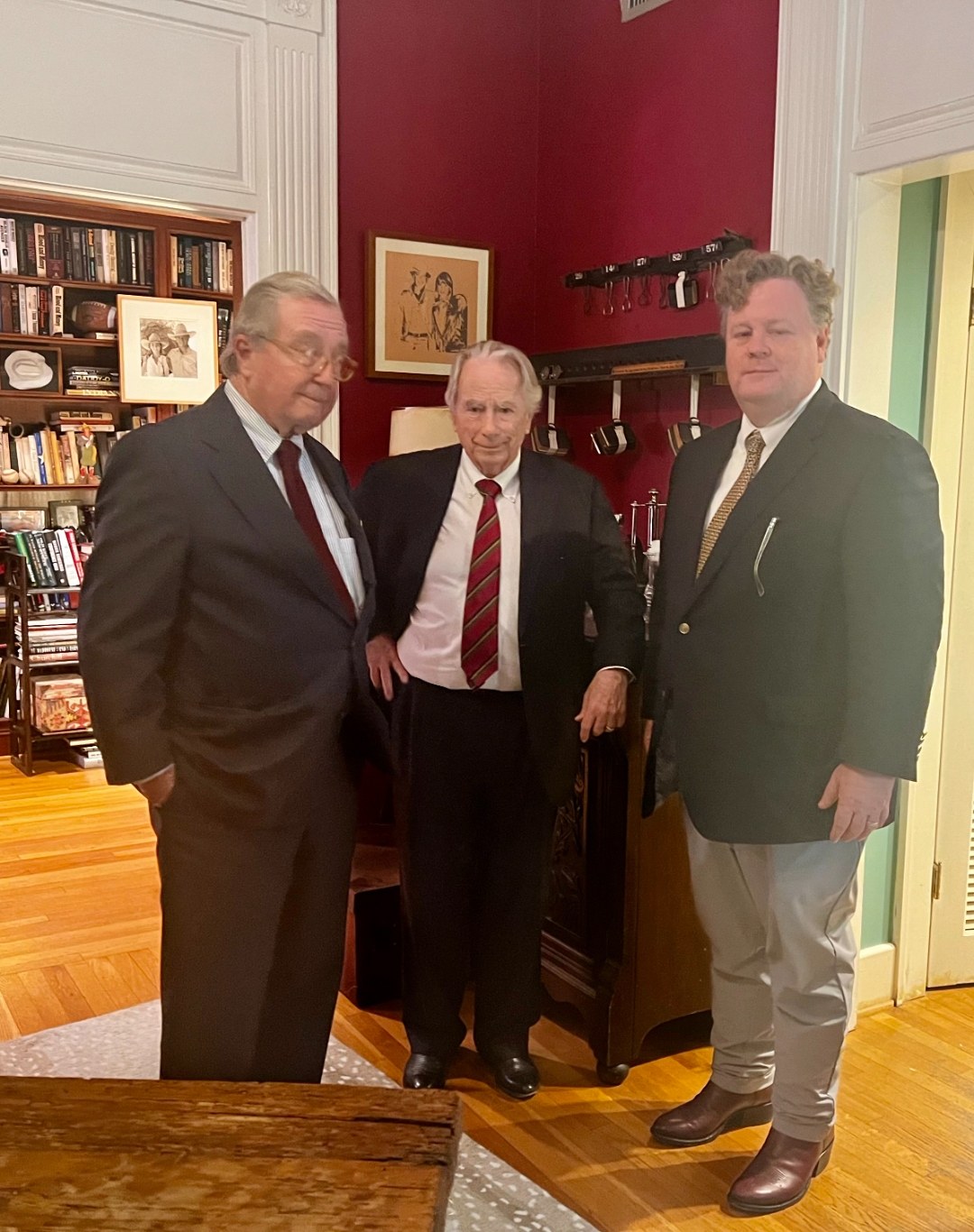
In the courtroom, the office, and the field — this is what criminal defense looks like.

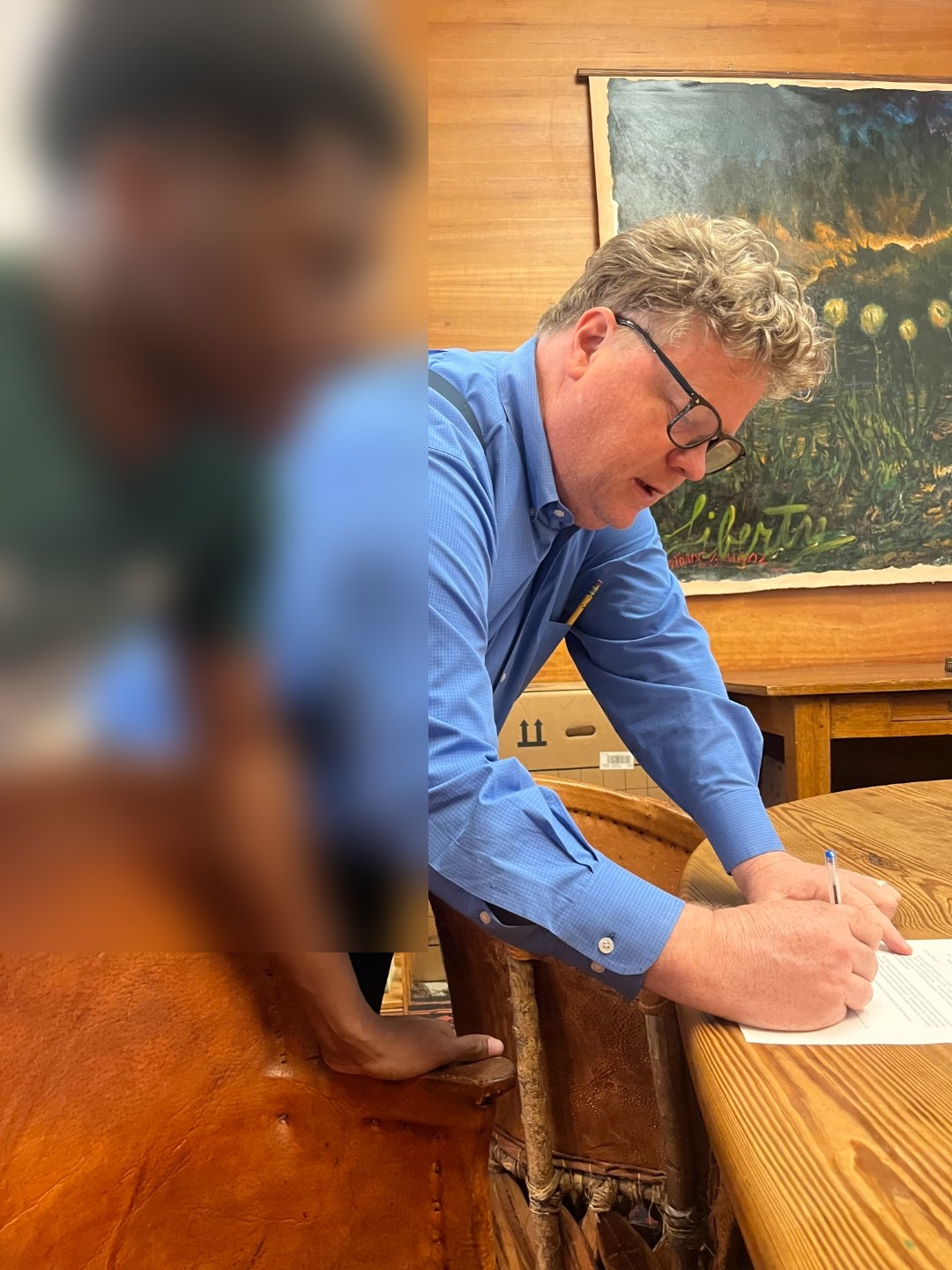
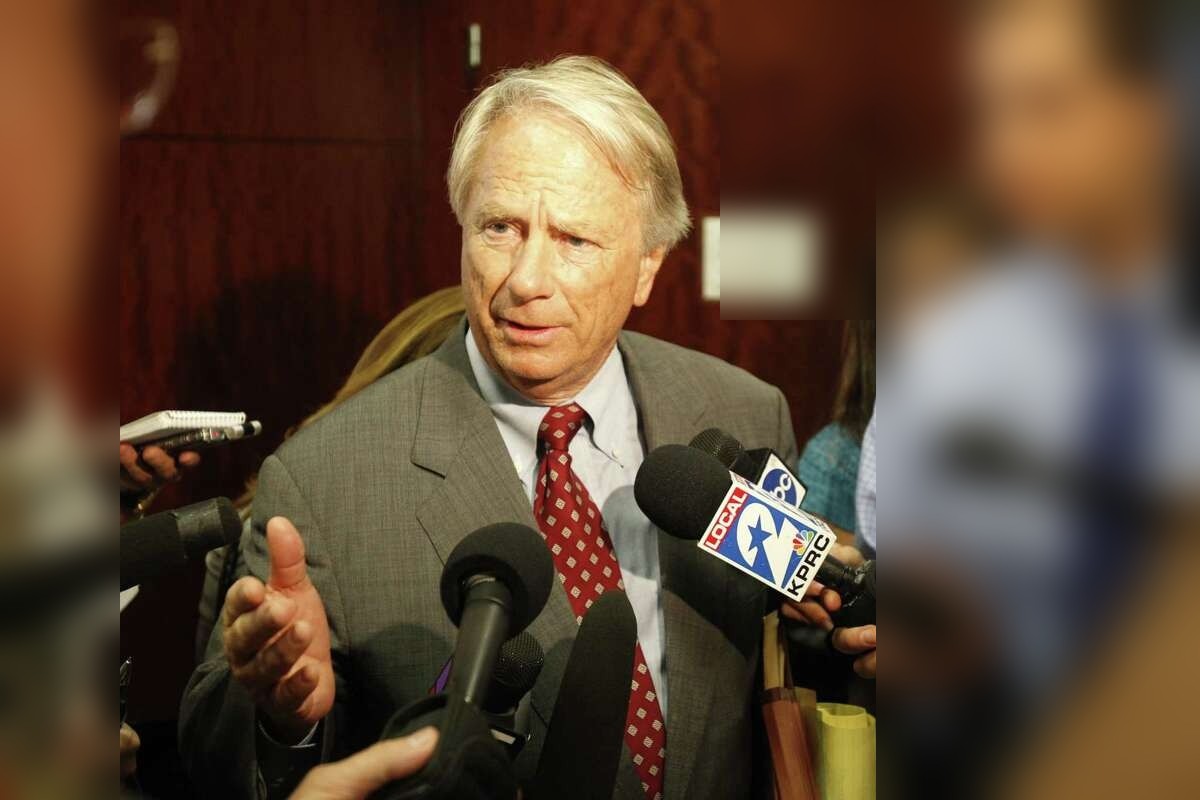
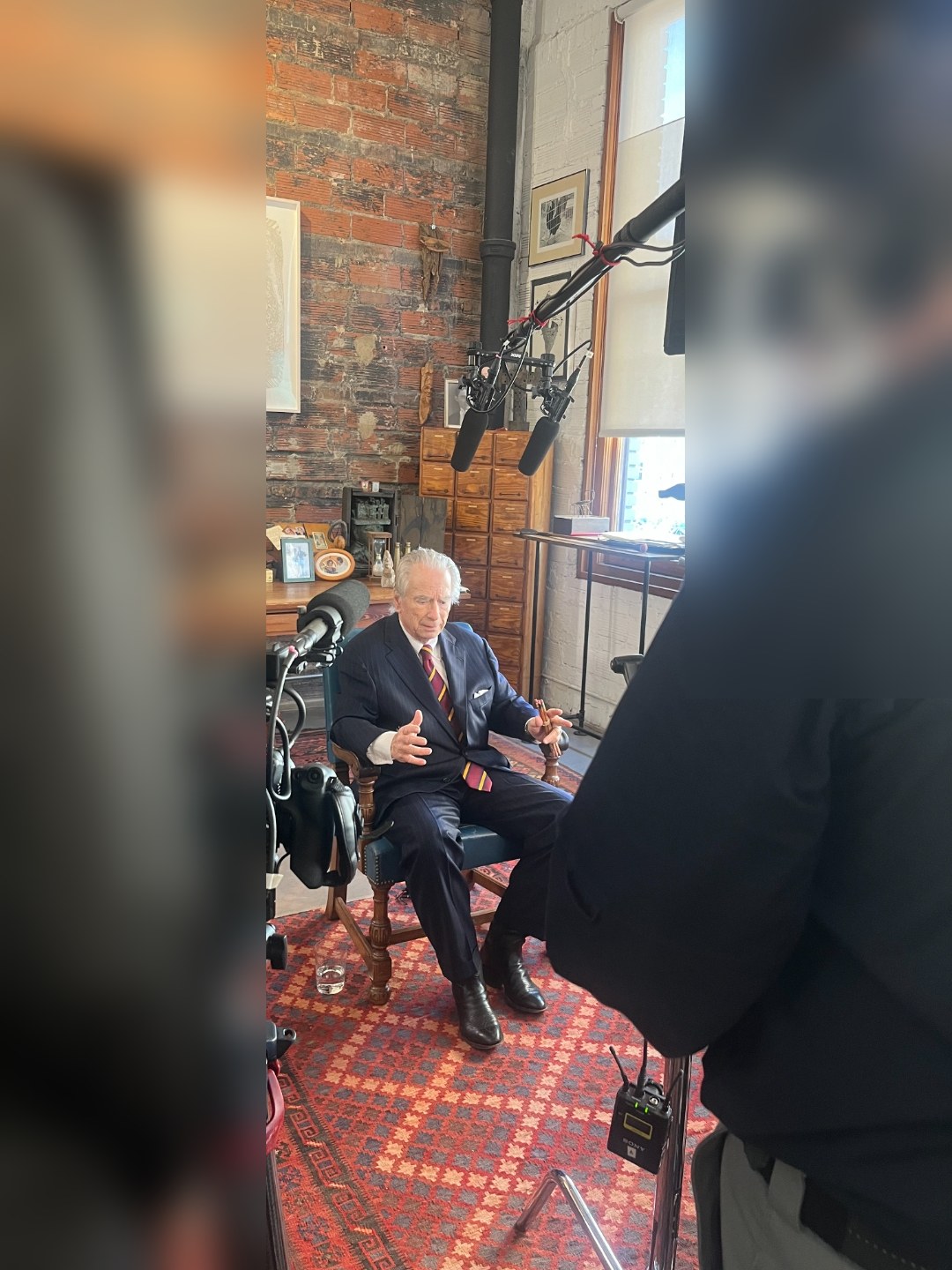


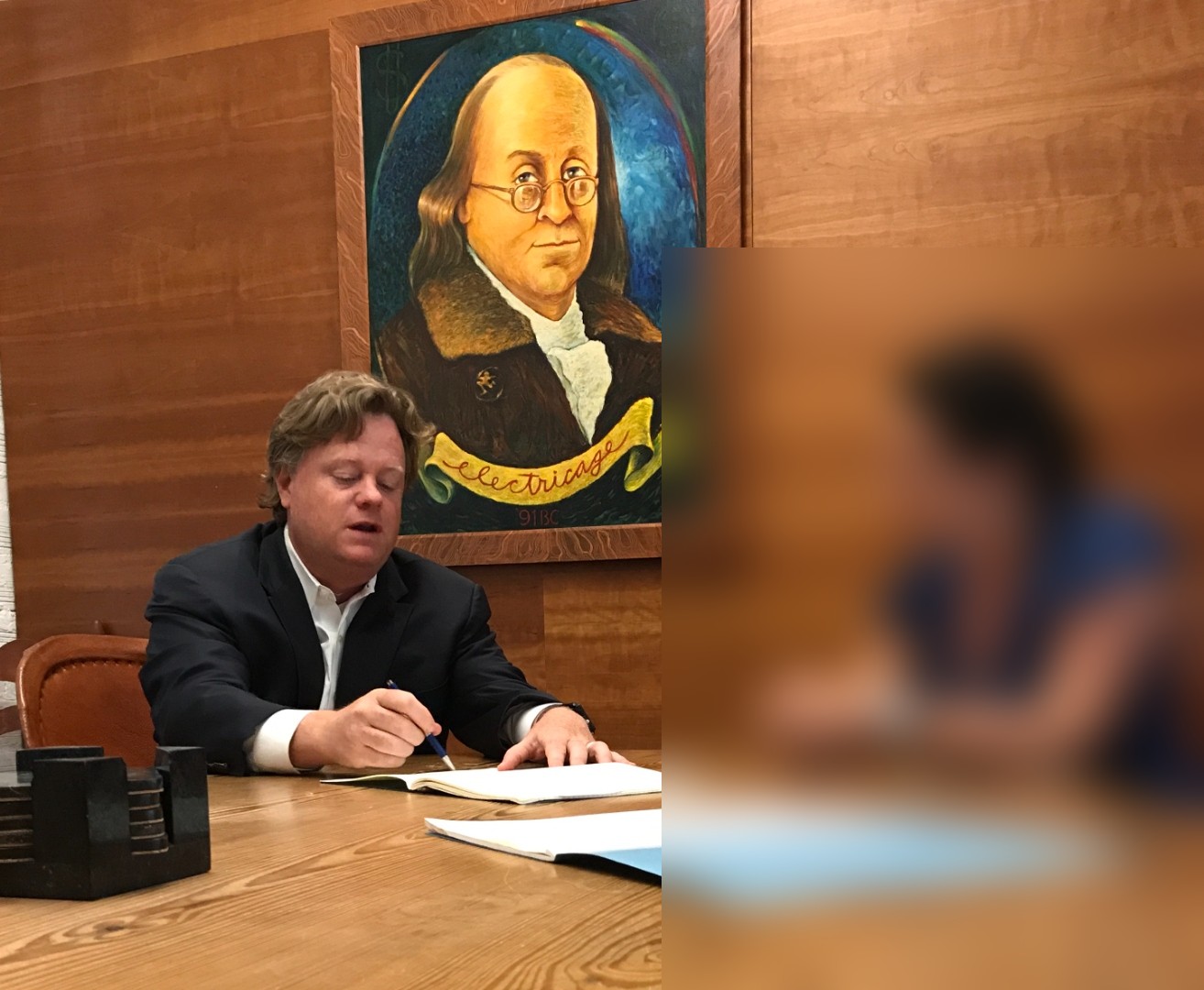
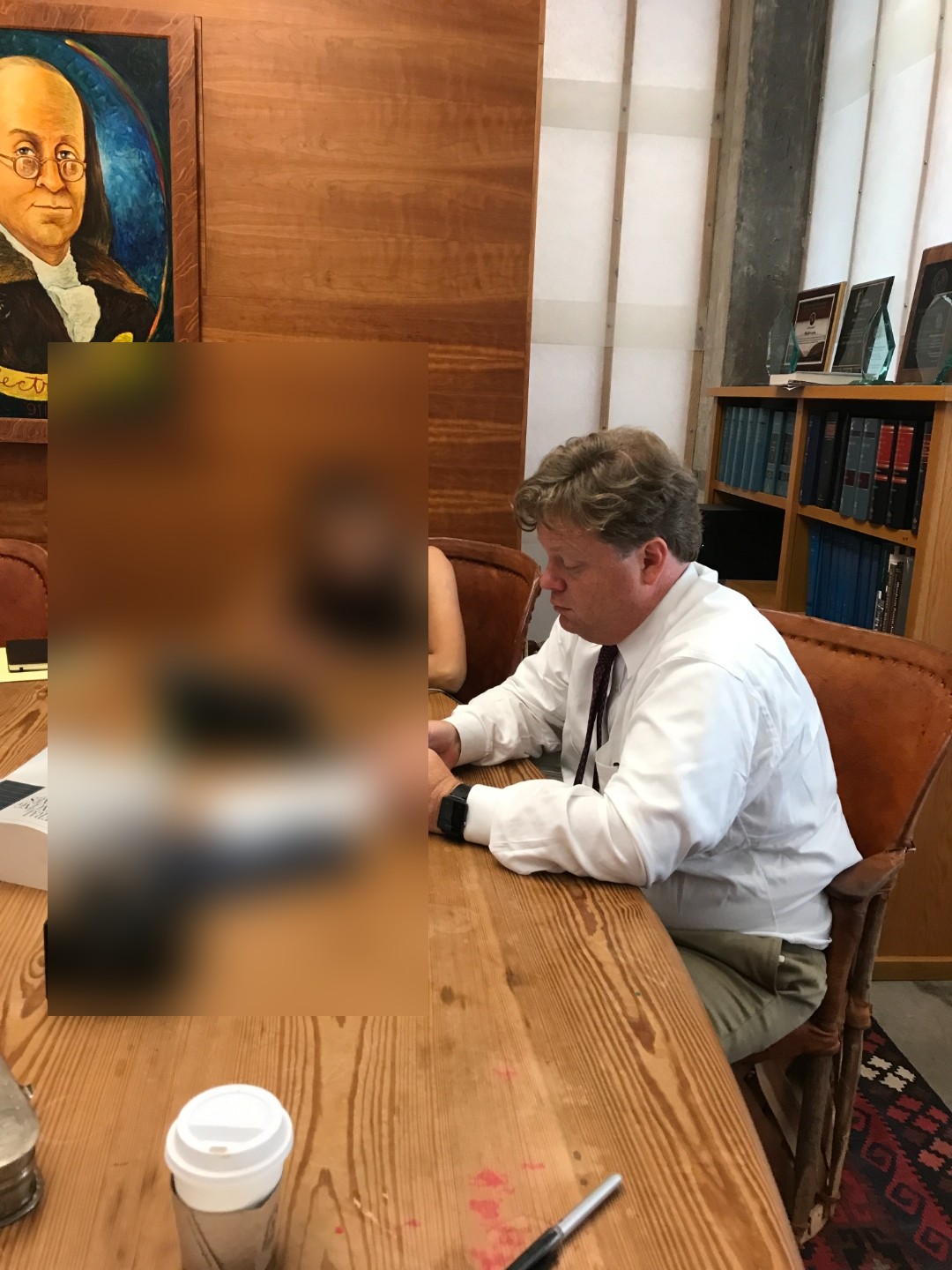
The Stoic tradition holds that four cardinal virtues are the foundation of a life well-lived — and of a defense well-fought. Every case that comes through this firm is guided by them.
φρόνησις — Phronesis
Wisdom means knowing the law, how to investigate a case, knowing which arguments carry weight with judges, which facts matter to juries, and knowing the government’s case better than they know it themselves. It is the foundation of every strategy.
ανδρεία — Andreia
To stand in the way of power when power is wrong. Courage is taking a case no one else will take. Fighting the government, not backing down in the face of their resources and power. Not being afraid to stand up to courts and enforce the protections of the Constitution.
σωφροσύνη — Sōphrosynē
To know when to fight and when to negotiate, when to speak and when to be still. Federal defense demands discipline — in how arguments are framed, how witnesses are cross-examined, and how every decision is weighed against what is best for the client, not what feels satisfying in the moment.
δικαιοσύνη — Dikaiosynē
To believe — without reservation — that every person charged with a crime deserves a defense equal to the charge against them. Justice is not only the goal of the system. It is the obligation this firm brings to every client, in every court, without exception.
“I consider trial by jury as the only anchor ever yet imagined by man, by which a government can be held to the principles of its constitution.”
“The leading rule for the lawyer, as for the man of every other calling, is diligence. Leave nothing for to-morrow which can be done to-day.”
We handle the full spectrum of serious criminal and government matters — in United States District Courts throughout the nation, State Courts throughout Texas and Alabama, and international matters.
Representation in United States District Courts nationwide — from grand jury investigation through indictment, trial, sentencing, and appeal. Wherever the government brings charges, we are ready to fight.
State and federal drug charges — possession, distribution, manufacturing, and trafficking. Deep experience navigating mandatory minimums, federal sentencing guidelines, and complex multi-defendant conspiracies.
Aggressive defense in assault, family violence, robbery, homicide, and other serious charges in United States District Courts throughout the nation and State Courts throughout Texas and Alabama. Every client deserves a zealous advocate.
Defense in complex fraud, money laundering, wire fraud, bribery, RICO, and SEC investigations. We represent corporations and their employees under investigation by federal agencies — including OFAC's Specially Designated Nationals list.
We handle local matters with international components and matters that arise abroad — extradition proceedings, evidence gathering in foreign jurisdictions, and representation of clients on the OFAC SDN list. When needed, we locate the right legal representation in the relevant foreign jurisdiction.
Trial representation in State Courts throughout Texas and Alabama — from Harris County to Mobile County, El Paso to Huntsville — for felony and misdemeanor charges at every stage of the process.
Direct appeals in state courts throughout Texas and Alabama, the Fifth Circuit and federal circuits nationwide, and the United States Supreme Court. Writs of habeas corpus at both the state and federal level. We identify constitutional errors, challenge improper convictions, pursue sentence reductions, and fight for every available post-conviction remedy. Michael DeGeurin served as a briefing attorney for the Texas Court of Criminal Appeals — he knows how appellate courts think from the inside.
We advise clients before an investigation begins and represent individuals and corporations during grand jury proceedings — often preventing charges from ever being filed through early, strategic engagement with the government.
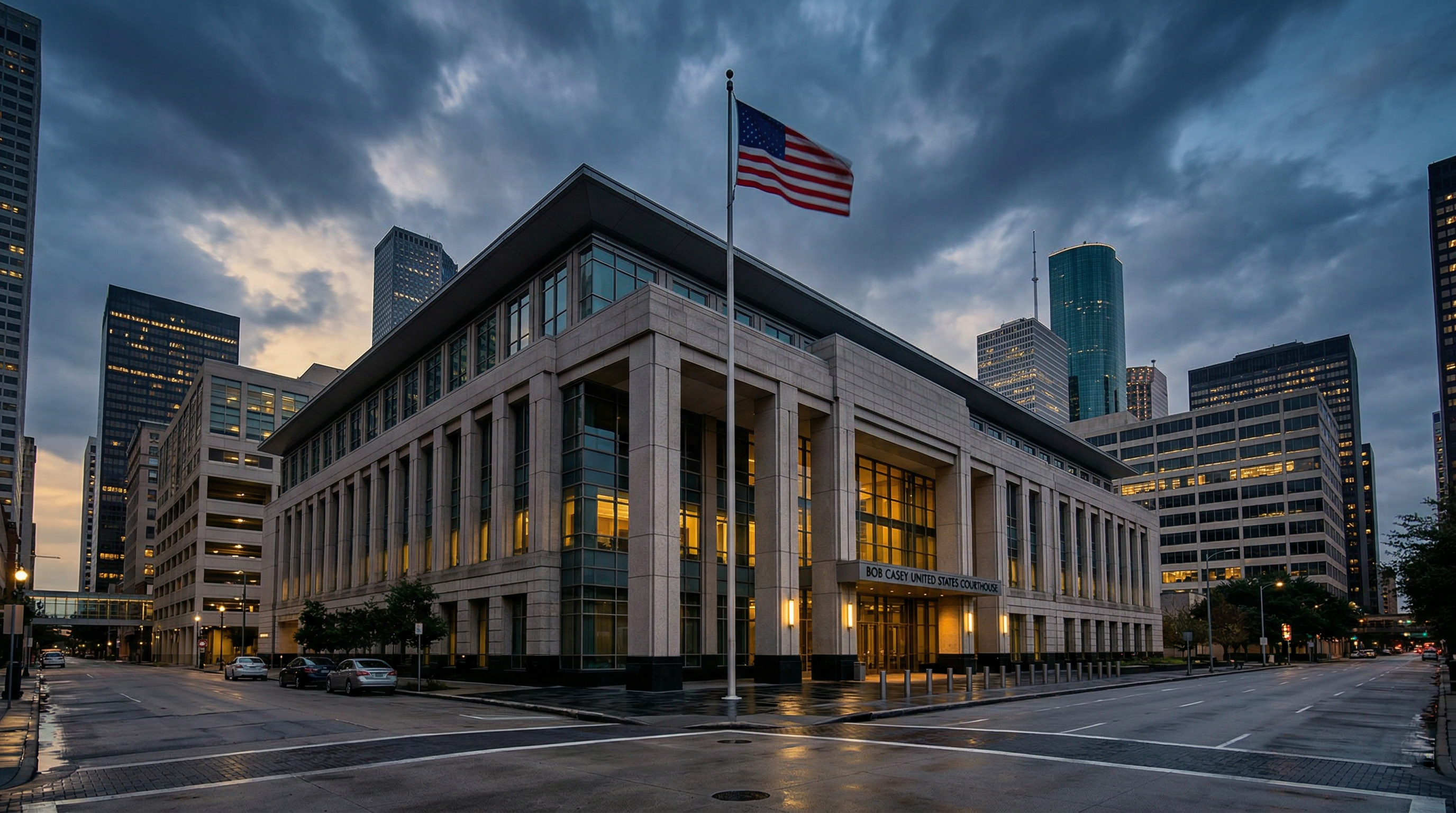
Federal prosecution is a different world. The resources of the United States government are virtually unlimited. Cases are investigated for months or years before charges are filed. The stakes — mandatory minimums, sentencing guidelines, career offender enhancements — are severe. You need an attorney who is experienced and understands the federal system.
George "Michael" DeGeurin Jr. served as a Federal Public Defender and as a briefing attorney for the Texas Court of Criminal Appeals before entering private practice. He has seen how federal prosecutors construct their cases, how sentencing arguments are won and lost, and how appellate courts evaluate constitutional claims. That experience is not theoretical — it is the foundation of every federal defense strategy he builds.
Federal investigations often begin long before charges are filed. If you have received a grand jury subpoena, a target letter, or been told you are the subject of a federal investigation, you need counsel immediately.
We represent individuals and corporations at every stage of the grand jury process — advising on whether to testify, negotiating with prosecutors, asserting privilege, and working to prevent an indictment from ever being filed. Early intervention can be the difference between charges and no charges.
A federal conviction does not end the battle — sentencing is where years of a client's life are decided. The United States Sentencing Guidelines are complex, and the difference between an effective and ineffective sentencing argument can mean a decade of additional incarceration.
We prepare meticulous sentencing memoranda, challenge guideline calculations, pursue downward departures and variances, and present the full human picture of every client to the court. Our Federal Public Defender background means we have argued federal sentencing at the highest levels from day one of practice.
Federal appellate practice requires a different set of skills than trial work — precision legal writing, deep knowledge of circuit precedent, and the ability to identify and frame constitutional issues that courts will take seriously.
As a former briefing attorney for the Texas Court of Criminal Appeals, George "Michael" DeGeurin Jr. developed exceptional appellate writing and issue-spotting skills at the highest state court level. That foundation directly informs his federal appellate work in the Fifth Circuit and beyond, including petitions for certiorari to the United States Supreme Court.
When a federal case goes to trial, preparation is everything. Federal prosecutors bring organized, well-resourced cases — voluminous discovery, cooperating witnesses, forensic experts, and years of investigative work. Our job is to dismantle it, piece by piece.
We handle federal drug conspiracy, RICO, wire fraud, money laundering, firearms offenses, public corruption, and violent crime trials in United States District Courts throughout the nation. Every case is prepared as if it will go to trial — because that readiness is what drives better outcomes at every stage.
Facing a federal investigation or indictment? Time matters.
Speak With Us TodayBuilt on the legacies of Percy Foreman and Mike DeGeurin, the firm carries forward a tradition of fearless, uncompromising criminal defense that spans generations.
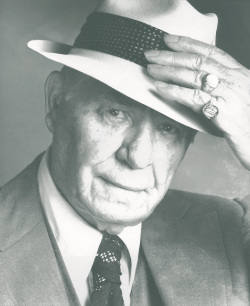
Founding Legacy
Percy Foreman was one of the greatest criminal defense attorneys in American history. Over a career spanning more than five decades, he tried over 1,500 cases. His legendary status at the Texas bar, his commanding presence in the courtroom, and his unwavering belief in the right to a vigorous defense became the foundation upon which this firm was built.
The firm carries his name as a commitment to that same standard: that every client, regardless of the charge, deserves the most determined defense possible.

Partner — In Memoriam
Mike DeGeurin was a fearless trial lawyer and a pillar of the Houston legal community for nearly five decades. Born in Austin and educated at the University of Texas before earning his law degree from Texas Tech in 1971, he came to Houston determined to defend — not prosecute. While his older brother Dick DeGuerin took the more conventional route through the Harris County District Attorney’s office, Mike refused. “I can take the most awful person and after thirty minutes with him, come up with more good in him than there is bad,” he said. “I just couldn’t see myself pointing my finger at that person in trial and telling the jury to send that person away.” Instead, he clerked for state and federal judges, then went to work as a public defender — building what Percy Foreman would later call “a hell of a foundation as a lawyer.”
In the mid-1970s, Percy Foreman came calling. Dick had already joined Foreman’s legendary firm in 1971, and when Foreman offered Mike a place alongside his brother, Mike accepted. For years, the two brothers practiced together under Foreman’s roof in downtown Houston — each shaped by the same master, each carrying the same DNA, but cut from distinct cloth. When Dick departed in 1982 to start his own firm, Mike stayed. He inherited the firm when Foreman died in 1988, and the firm has borne Foreman’s name ever since — a tribute Mike honored as a commitment, not a formality.
The brothers are one of Houston’s most storied legal pairs — and one of its most distinctive. Born DeGeurins, Dick changed his spelling to DeGuerin in college, tracing it to the original French. Mike kept the family spelling. The Houston Chronicle noted that “Mike and Dick are on everybody’s short list of best criminal defense lawyers around,” while Texas Monthly called them both Foreman protégés who “habitually invoke the mentor’s wisdom.” Houston attorney David Berg called Mike “the most underrated lawyer in Harris County.” Over nearly five decades, Mike tried high-stakes federal and state cases across the country, earned a reputation for devastating cross-examination and deep mastery of federal sentencing, and freed innocent people from Texas death row — most notably Clarence Brandley. His integrity, his passion for justice, and his presence in the courtroom are deeply missed.
Dick DeGuerin continues to practice at his own firm in Houston and remains one of the most respected criminal defense lawyers in Texas — a parallel branch of the same legacy, rooted in the same tradition Percy Foreman built.

Attorney — Active Practice
Some lawyers choose criminal defense. Michael DeGeurin was born into it.
Criminal defense runs in the family — not as a tradition passed down through titles or documents, but through the work itself. His grandfather, Elias “Mack” DeGeurin, was a lawyer in Austin and an aide to Lyndon Johnson. His father, Mike DeGeurin, spent nearly five decades as one of the most fearless trial lawyers in Texas history, working alongside Percy Foreman — the legendary Houston defense lawyer whose courtroom command defined what the craft could be in America. His uncle, Dick DeGuerin, is widely regarded as one of the premier criminal defense trial lawyers in the country. Michael grew up watching all of it up close, long before he ever held a bar card.
As a boy, he accompanied his father not to office visits or bar association dinners, but to the work itself — crime scenes, witness interviews, county jails. He sat across from clients whose lives depended on what came next and watched his father do the unglamorous, necessary, gritty work of serious criminal defense under real pressure. By the time he was old enough to think about law school, he already understood what this work actually demands.
The cases he witnessed were not abstractions. They were people. Clarence Brandley, condemned to death for a crime he did not commit, whose exoneration stands as one of the most significant wrongful conviction reversals in Texas history. The Houston City Hall public corruption investigation. Priscilla Slade, the former Texas Southern University president, whose fraud prosecution became one of the most scrutinized public trials in the state. Watching those cases unfold — with his father at the center of them — gave Michael a sense of what criminal defense requires that no law school curriculum can replicate.
In 1993, while a student at St. Mary’s University School of Law, he served as a law clerk and runner during the Branch Davidian federal criminal trial in Waco — one of the most consequential federal prosecutions in modern Texas history. He worked alongside his father and some of the finest trial lawyers in the state: Doug Tinker, Dan Cogdell, Joe Turner, Rocket Rosen, Tim Evans, John Carroll, and others. That courtroom was a graduate seminar in what excellence actually looks like under pressure — preparation without arrogance, composure that never becomes detachment, and a command of detail that never allows the human story to disappear inside the legal argument.
When he began to practice, he did not trade on his name. He went to work. His first stop was Austin, where he joined Joe Turner — whom he had watched in that Waco courtroom and whose firm was the premier criminal defense practice in the city. Turner was perhaps best known outside legal circles as Willie Nelson’s lawyer, but inside them he was regarded as one of the finest trial lawyers in Texas.
He then returned to Houston to work under Roland Dahlin II in the Federal Public Defender’s office, where he stood between clients and the full weight of the United States government every day. That experience gave him something irreplaceable: an insider’s understanding of how federal cases are constructed, how prosecutors think, where the pressure points are, and how sentencing arguments are shaped in a system designed to produce convictions.
After his time with the Federal Public Defender, he joined his father at the firm then known as Foreman, DeGeurin, Nugent & Gerger. There he worked closely with Paul Nugent — a lawyer of uncommon ability whose cases included the landmark wrongful conviction matter of Kerry Max Cook, a man who spent more than two decades on death row for a murder he did not commit. Michael sat second chair on dozens of cases with Nugent across the full range of the docket, learning the way serious lawyers learn: by doing the work, case after case, under someone who demanded the same rigor he brought himself.
What Michael DeGeurin carries into a courtroom cannot be reduced to credentials. It is the product of a life spent inside this work — the conviction that a client facing the government is never an abstraction, that the system is capable of being wrong, and that the difference between a just outcome and a catastrophic one often comes down to the quality of the lawyer standing beside you.
Three generations of recognition from the organizations that define serious criminal defense in Texas — earned through decades of results, service, and leadership.
HCCLA
TCDLA
We have successfully handled a wide variety of disputed legal matters for clients all around the globe. Every case is different — past results do not guarantee future outcomes.
Jury Trial — S.D. Texas
Client faced mandatory minimum on federal conspiracy charges involving an alleged multi-kilogram drug distribution network. Following aggressive cross-examination of government informants and suppression of key evidence, jury returned a not guilty verdict on all counts.
State Court — Harris County
Client charged with capital murder in a high-profile Houston case with extensive media coverage. Through exhaustive investigation, expert witnesses, and compelling trial strategy, the jury returned a full acquittal.
Pre-Trial — N.D. Texas
Multi-count federal wire fraud and money laundering indictment dismissed prior to trial following successful motions challenging the grand jury process and the sufficiency of the government's evidence.
Sentencing — 5th Circuit
Client convicted on federal drug trafficking charges faced a Guidelines sentence of 15 to 20 years. Through trial record preservation and appellate advocacy, sentence was substantially reduced on remand.
Pre-Indictment — Federal
Government investigation into alleged public corruption and bribery. After substantial pre-indictment legal challenges and proffer negotiations, the United States Attorney's office declined to indict.
Federal — Cross-Border
Represented a corporation subject to investigation by the Office of Foreign Assets Control and placed on the Specially Designated Nationals list. Through strategic engagement and legal challenges, the matter was favorably resolved.
Results listed are representative matters. Every case involves unique facts and circumstances. Prior results do not guarantee a similar outcome.
Three generations of headline cases — from Percy Foreman's courtroom battles that defined American criminal defense, to Mike DeGeurin freeing men from death row, to Michael DeGeurin's ongoing federal practice. The coverage spans decades and continues today.
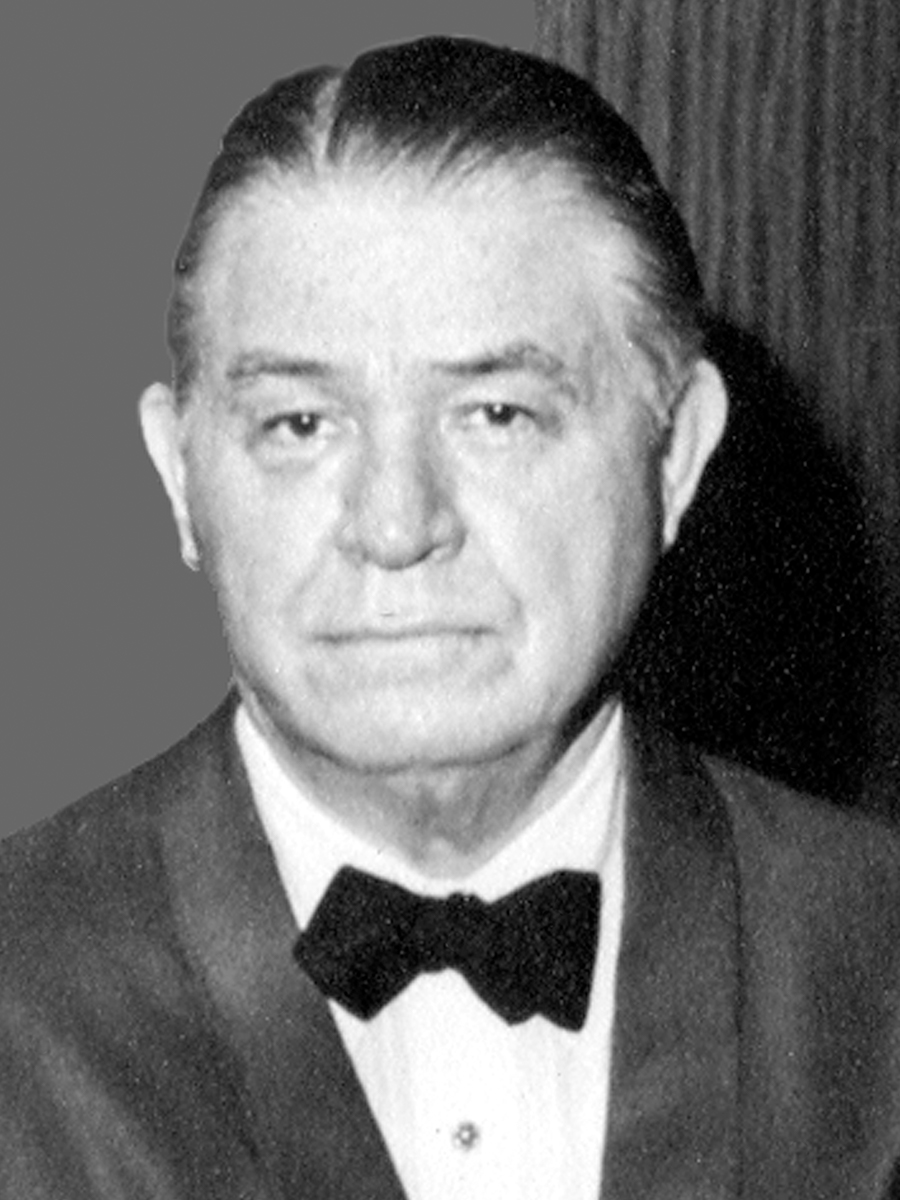
Founding Legacy — The Standard This Firm Was Built On
Overview of Foreman's life, landmark cases including James Earl Ray, Jack Ruby, Candace Mossler, and his record of 1,500+ death penalty cases with only one execution.
Read →Obituary coverage of Foreman's death in 1988, recounting his defense of James Earl Ray, Jack Ruby, and Candace Mossler, and his remarkable 50-year career.
Read →UPI's coverage of Foreman's passing — noting his defense of James Earl Ray, Jack Ruby, and a career in which he lost only one client to execution in an estimated 2,000 murder cases.
Read →The definitive profile of Percy Foreman's legacy and his influence on Mike DeGeurin — tracing three decades of courtroom mastery, the Foreman credo, and how it shaped everything that followed.
Read →Historical record of Percy Foreman's career from the TSHA Handbook of Texas, including his background, landmark cases, and lasting impact on Texas criminal law.
Read →Induction profile honoring Foreman as one of the most successful defense attorneys in American history, defending more than 1,500 death penalty cases and losing only 53.
Read →Archival footage of Foreman responding to criticism of his decision to represent Jack Ruby, explaining his philosophy on the right to vigorous defense.
Watch →Archival KPRC-TV footage of Foreman discussing the James Earl Ray case following his representation of the man convicted of assassinating Dr. Martin Luther King Jr.
Watch →
Partner, In Memoriam — Five Decades of Fearless Defense
One of Mike DeGeurin’s final high-profile cases — and the one that became a national CBS 48 Hours episode. Former Harris County deputy Renard Spivey, accused of murdering his wife, was acquitted after 12 hours of deliberation. Mike told reporters the turning point was the jury’s single question: “What is the definition of reasonable doubt?”
Watch →In-depth remembrance of Mike’s five decades of practice — his work freeing Clarence Brandley from death row, his influence on countless Houston lawyers, and his reputation as the most underrated trial lawyer in Harris County.
Read →ABC13's coverage of Mike DeGeurin's passing, highlighting his most high-profile cases including the Jessica Tata daycare fire defense and his decades of criminal defense work.
Read →KPRC 2's reporting on Mike DeGeurin's death, noting his work alongside son Michael at Foreman, DeGeurin & DeGeurin and his international reputation as a bold advocate.
Read →KHOU 11's broadcast remembrance of Mike DeGeurin, noting his landmark exoneration of Clarence Brandley, who spent 10 years on Texas death row for a crime he did not commit.
Watch →Texas Monthly's account of the Clarence Brandley exoneration — one of Mike DeGeurin's most consequential victories, freeing a man from death row who was wrongly convicted in 1981 in Conroe, Texas.
Read →Investigative piece tracing the Brandley case from wrongful conviction to exoneration, and Mike DeGeurin's continued fight for the family's recognition and compensation for decades.
Read →Getty Images archive of over 60 press photographs of Mike DeGeurin in court, including trial coverage from high-profile cases such as the Priscilla Slade / TSU fraud trial.
View →Texas Monthly profiles Mike DeGeurin's role defending Branch Davidian lieutenants after the Waco standoff, alongside the story of how both he and Dick DeGuerin carried forward Percy Foreman's legacy.
Read →In the wake of the Concorde disaster of July 25, 2000 — which killed 113 people on takeoff from Paris — the French government brought criminal manslaughter charges against Continental Airlines and its employees, alleging a titanium strip shed from a Continental DC-10 caused the crash. Mike DeGeurin served as defense counsel for Continental Airlines, mounting an international criminal defense against a foreign prosecution. A French appellate court reversed the criminal conviction in 2012, clearing Continental of manslaughter liability — one of the most consequential international defense results in the firm’s history.
Read →
Attorney — National Federal Practice
U.S. Supreme Court docket showing George Michael DeGeurin as attorney of record for the petitioner in a federal criminal case, reflecting his appellate practice at the highest level.
View →CBS 48 Hours full episode coverage of the Renard Spivey murder trial. TV bailiff and former Harris County deputy acquitted of his wife’s murder — a case in which Mike and Michael DeGeurin were part of the defense team alongside Dick DeGuerin.
Read →ABC13’s verdict coverage notes that Mike DeGeurin told reporters the jury’s single question — “What is the definition of reasonable doubt?” — was the turning point. Michael DeGeurin was co-counsel alongside his father and Dick DeGuerin.
Read →Straight answers to the questions clients ask most about federal criminal defense — grand juries, sentencing, appeals, and what to do the moment you believe you are under investigation.
A federal grand jury is a body of 16 to 23 ordinary citizens empaneled to decide one thing: whether the government has presented enough evidence to formally charge someone with a crime. This is not a trial. No judge presides over the proceedings. The standard is not “beyond a reasonable doubt” — it is merely probable cause, a far lower bar. The grand jury meets in secret, hears only from the government, and considers only the evidence the prosecutor chooses to present. The defense has no seat in that room.
When a witness is subpoenaed to testify before a grand jury, they walk into the chamber alone. No attorney is permitted inside with them. If they need to consult with counsel, they must leave the room, step into the hallway, get advice, and return. Every answer you give, every document you produce, is potentially being used to build a case against you or someone else. The Fifth Amendment right against self-incrimination applies in full, and invoking it is often the right call.
The grand jury returns either a “true bill” — meaning an indictment — or a “no bill,” meaning the charges do not proceed. As a practical matter, grand juries indict the overwhelming majority of the time. Prosecutors control what evidence is shown, what witnesses testify, and how the story is told. Understanding this dynamic is the first step toward navigating a grand jury investigation with your rights — and your freedom — intact.
A target letter is a formal written notice from the United States Attorney’s Office informing you that you are the target of a federal criminal investigation. Receiving a target letter means the government already believes it has substantial evidence linking you to a crime. By the time they send you that letter, federal agents have typically been working the case for months, sometimes years.
The single most important thing you can do upon receiving a target letter is retain an experienced federal criminal defense attorney immediately and say nothing to anyone else. Do not call the prosecutor. Do not discuss the investigation with friends, colleagues, or family. Every conversation you have — except with your attorney — is a potential witness statement the government can use against you.
A target letter does not mean indictment is inevitable. In some cases, skilled pre-indictment representation can persuade prosecutors that the evidence is weaker than they believe, or that a negotiated resolution is preferable to litigation. The window between receiving a target letter and a grand jury returning an indictment is often your best opportunity to influence the outcome. Do not wait.
The Federal Sentencing Guidelines are a framework developed by the United States Sentencing Commission that federal judges consult when imposing a sentence. The system assigns every offense a numerical level — the “offense level” — on a scale of 1 to 43, and then cross-references that level against the defendant’s criminal history category. The intersection produces a recommended range of imprisonment in months.
The guidelines are not simply a function of the charged offense. They are built from “relevant conduct,” which can sweep in conduct for which a person was never charged or convicted. Drug quantity calculations, loss amounts in fraud cases, and the roles of co-defendants can all drive a guidelines calculation far higher than the base offense level would suggest.
Since the Supreme Court’s 2005 decision in United States v. Booker, the guidelines are advisory rather than mandatory. A judge must calculate the guidelines range correctly and consider it seriously — but is not bound to impose a sentence within it. This creates both risk and opportunity. A skilled defense attorney works the guidelines calculation itself, pursues applicable departures, and argues broader factors under 18 U.S.C. § 3553(a) to achieve the most favorable result possible.
Both a downward departure and a downward variance result in a sentence below the advisory guidelines range, but they come from different legal sources. A departure is a reduction authorized within the guidelines themselves — the Sentencing Commission wrote specific provisions allowing judges to depart when certain factors take the case outside the “heartland” of what the Commission contemplated. The most significant downward departure is the 5K1.1 motion for substantial assistance to the government.
A variance is different. It is grounded in the broad sentencing factors Congress set out in 18 U.S.C. § 3553(a) — the nature of the offense, the history and characteristics of the defendant, the need for deterrence, and others. After Booker made the guidelines advisory, judges gained the authority to vary from the guidelines range for any reason that is sound under § 3553(a), even reasons that would not support a formal departure.
Courts of appeals review variances for reasonableness rather than strict compliance with guidelines text, which generally makes them harder to overturn on appeal. Experienced federal defense attorneys typically argue for a downward departure and a downward variance in the alternative — because the two tools work together, and using both maximizes the client’s best chance at a below-guidelines sentence.
The safety valve is a statutory provision — codified at 18 U.S.C. § 3553(f) — that allows a federal judge to sentence a defendant below the otherwise-applicable mandatory minimum in certain drug cases if the defendant meets five specific criteria. Congress created it because mandatory minimums were producing sentences that bore no rational relationship to the culpability of low-level, first-time drug offenders.
To qualify, a defendant must satisfy all five criteria: limited criminal history; no use or threat of violence and no possession of a weapon; no death or serious bodily injury resulting from the offense; no role as an organizer or supervisor; and a truthful proffer to the government of all information about the offense. That fifth criterion — the debriefing requirement — is often the most delicate.
Qualifying for the safety valve does two things. It eliminates the mandatory minimum, allowing the judge to sentence below the statutory floor. And it triggers an additional two-level reduction in the offense level under the Sentencing Guidelines. For defendants who qualify, failing to pursue the safety valve is simply leaving time on the table.
A Federal Public Defender represents people who cannot afford to retain private counsel and have been charged with federal crimes. It is one of the most rigorous practices in American law. Federal Public Defenders handle every kind of federal criminal case — drug trafficking, fraud, firearms offenses, complex conspiracies — from arraignment through sentencing and appeal, with enormous caseloads against the full weight of the federal government.
The experience is valuable for a specific reason: it is inside knowledge. A former Federal Public Defender has seen how Assistant U.S. Attorneys build their cases, how federal agents structure their investigations, how federal judges respond to sentencing arguments, and where the government’s cases tend to have weaknesses. That familiarity is not theoretical — it translates directly into better strategic decisions at every stage.
Service as a briefing attorney for the Texas Court of Criminal Appeals adds another dimension: a deep, research-intensive grounding in how appellate courts actually think. Briefing attorneys draft the court’s opinions, which means they understand the reasoning behind judicial decisions in ways that go beyond simply reading published cases. That perspective shapes how defense arguments are framed at trial — with an eye toward preserving issues and building a case that holds up on appeal if it comes to that.
The differences between federal and state criminal practice are significant enough that experience in one system does not automatically translate to competence in the other. The federal system operates under a distinct body of law — the Federal Rules of Criminal Procedure, the Federal Rules of Evidence, the Sentencing Guidelines — and the procedural landscape is more formal, more rigorous, and less forgiving of missteps than most state courts.
Federal investigations are longer, better resourced, and more methodical than almost any state investigation. The FBI, DEA, IRS Criminal Investigations, HSI, and other federal agencies have the time and tools to build comprehensive cases — wiretaps, undercover operations, forensic accountants, years of financial records — before a single charge is filed. By the time a federal indictment is returned, the government often knows more about what happened than the defendant’s own memory can supply.
Sentencing is perhaps the most consequential difference. Federal courts operate within the Sentencing Guidelines framework, with mandatory minimums layered on top for many drug and firearms offenses. Federal sentences are typically longer, parole does not exist in the federal system, and supervised release follows every sentence. This reality makes getting the defense right the first time — at investigation, at charging, and at sentencing — more critical than in almost any other legal context.
After a federal grand jury returns an indictment, the case moves from the investigative phase into the formal prosecution phase. The first court appearance is the arraignment, where the defendant is formally advised of the charges and enters a plea — almost always “not guilty” at this stage. The court also addresses conditions of pretrial release. Detention hearings in federal court are serious proceedings, and the Bail Reform Act gives the government strong tools to seek pretrial detention.
Following arraignment, the case enters the pretrial phase, which involves discovery, motion practice, and plea negotiations. Discovery in federal court can be voluminous — hundreds of thousands of pages of documents, recordings, financial records, agent reports, and witness statements. During this phase, defense counsel files pretrial motions addressing everything from the constitutionality of the search that produced the evidence to the admissibility of particular statements or prior acts.
The vast majority of federal cases resolve through plea agreements rather than trial. That statistic does not mean that most defendants should simply plead guilty — it means that skilled negotiation is an essential part of federal defense work. The terms of a plea agreement can dramatically affect the guidelines calculation, what counts of conviction appear on the record, and what arguments remain available at sentencing.
Yes, federal charges can be and sometimes are dismissed before trial — though it is not the norm, and achieving it requires focused, skilled advocacy. The government retains the authority to dismiss charges at any point before verdict, and there are circumstances where a defense attorney’s early intervention can persuade prosecutors that the evidence is insufficient, that a legal defect defeats the charge, or that some other resolution is more appropriate. Pre-indictment intervention is generally more effective than post-indictment efforts.
Post-indictment, the most direct routes to dismissal are through pretrial motions. If the government obtained its evidence through an unconstitutional search or seizure, the Fourth Amendment requires suppression of that evidence. If the case rests on statements obtained in violation of Miranda or the Sixth Amendment right to counsel, those statements can be excluded. In some cases, suppression of key evidence effectively collapses the government’s case, leading to dismissal.
Beyond motions, there are cases where dismissal flows from negotiations — where the defense demonstrates that certain defendants were overcharged, that the evidence attributed to a particular defendant actually belongs to someone else, or that cooperation by the defendant on other matters justifies resolving the case with lesser charges or none at all. Federal prosecutors have wide discretion, and they exercise it.
Substantial assistance is cooperation with the government that materially helps the investigation or prosecution of someone other than the cooperating defendant. It is the most powerful tool available for reducing a federal sentence. When a defendant provides substantial assistance and the government agrees that it qualifies, prosecutors can file a motion under U.S.S.G. § 5K1.1 asking the court to depart below the guidelines range. If there is also a mandatory minimum in play, the government must separately invoke 18 U.S.C. § 3553(e).
The critical thing to understand is that only the government can file these motions. The defendant has no legal mechanism to force a 5K1.1 motion regardless of how much they cooperate. This means the decision to cooperate must be made with clear eyes about what information the defendant actually has, whether that information is useful to the government, and what the realistic prospects are of receiving credit. Cooperation that doesn’t produce a motion leaves the defendant having disclosed everything with nothing in return.
When a 5K1.1 motion is filed, the judge has broad discretion in determining how much of a reduction to grant. Courts consider the significance of the information, its truthfulness and completeness, the nature and extent of the defendant’s participation in the investigation, any danger the defendant faced, and the timeliness of the cooperation. Defendants who cooperate early and provide genuinely useful information consistently receive the most benefit.
A federal criminal appeal is not a second trial. No witnesses testify. No new evidence is admitted. The court of appeals reviews what happened in the district court — the trial record, the transcripts, the exhibits, the rulings — and determines whether legal errors were made that affected the outcome. In Texas, appeals go to the Fifth Circuit Court of Appeals, one of the busier and historically more conservative federal circuits in the country.
The notice of appeal must be filed within 14 days of the entry of judgment. Missing that deadline is generally fatal to the appeal, with very limited exceptions. Once filed, the appellate process centers on written briefing. The standard of review matters enormously: constitutional errors and questions of law are reviewed de novo, while factual findings are reviewed for clear error, and most trial court rulings are reviewed for abuse of discretion.
Most appeals are decided on the briefs alone. Oral argument is granted in a minority of cases. After briefing and any argument, a three-judge panel issues a written opinion affirming, reversing, or remanding the case. Beyond the circuit court, a defendant can petition the Supreme Court for certiorari. An appeal that results in reversal may lead to a new trial, a resentencing, or in some cases an outright dismissal.
Retain a federal criminal defense attorney before you do anything else. Not a friend who is a general practice lawyer. Not a state criminal defense attorney who has never handled a federal case. An attorney with specific, substantial federal criminal defense experience — someone who understands how federal investigations develop, how Assistant U.S. Attorneys think, and what the early stages of a federal case actually look like from the inside. The moment you believe federal agents are looking at you, that is the moment to act.
Say nothing to federal agents. This is not about appearing guilty. It is about the practical reality that federal agents are skilled interviewers, and anything you say can be used against you — while voluntary false statements, even innocent misremembering characterized as intentional, can themselves become federal crimes under 18 U.S.C. § 1001. Invoking your right to counsel is not obstruction. It is wisdom.
Preserve every document that might be relevant to the investigation and do not destroy, alter, or conceal anything. Obstruction of justice charges are often easier to prove than the underlying offense, and they carry serious consequences. Tell your attorney everything, completely and honestly, so that they can actually assess your exposure and develop a strategy. The attorney-client privilege protects those conversations. Nothing else does.
Criminal charges and government investigations move quickly. The sooner you have experienced counsel, the better positioned you are. Contact us to speak with one of our attorneys — in any jurisdiction, at any stage.
Significant Fifth Circuit rulings, federal sentencing developments, and analysis on the issues that matter to clients facing federal prosecution.
This space will track Fifth Circuit rulings, federal sentencing guideline amendments, and developments in federal criminal law that affect clients in our practice. Check back as new decisions and updates are published.
Read More →Under Gall v. United States, appellate courts review sentences for reasonableness — but the Fifth Circuit’s application of that standard has distinct characteristics that shape how sentencing arguments should be framed at the district court level.
Read More →